ဤဘာသာစကားသို့ ဘာသာမပြန်ရသေးပါ English
The Second Session
This is the second of the al-'Urwa al-Wuthqa sessions. It is about the root of the religion, the testimony that there is no god but God, and shows with proof how that root, whose breach takes a person
Praise be to God, who has ever been All-Knowing, All-Wise; and may God bless, grant peace to and send blessings upon Muhammad, whom his Lord sent to mankind as a bearer of glad tidings and a warner, and upon the family of Muhammad and his Companions, and grant them abundant peace.
This is the second of the sessions of al-'Urwa al-Wuthqa, “the Firmest Handhold”. A brother suggested that I speak in the circumstances we now find ourselves in, “after the revolution”, because Islamic questions have now been put on the table for debate. So he suggested that I speak about the root of the religion, “the root of the creed”.
In our last meeting, by way of introduction, we spoke of a sorry split, one that truly deserves the name “faith without belonging”.
That is, if his faith itself is put to the test, he will defend it, for he belongs to it. But if he is asked to apply the rulings of Islam, or some of them, he may well reject them, or argue over them and dispute them.
“Here the Shaykh retold the story he had mentioned in the previous meeting, about the survey in Tunisia carried out by certain specialised bodies.”
And yet, if you put a question to these same people, the Sharia, say, and ruling by the Sharia and the like, you will find some of them arguing with you and proposing that we work with democracy for some years until we reach the stage of applying God's law,
and you will see them reject any talk to the contrary. And if we speak about some of the rulings of Islam, you find him backing away from them, and perhaps disputing them…
We mentioned last time that our Lord, glorified and exalted is He, said: “Or were you witnesses when death came to Jacob, when he said to his sons, ‘What will you worship after me?’”
We said that Jacob, peace be upon him, himself a prophet of God, Mighty and Majestic, was speaking to prophets of God. These were his son, our master Joseph, peace be upon him, and the Tribes. Some scholars hold that the Tribes were prophets, and that they were the sons of our master Jacob, peace be upon him, and the brothers of our master Joseph; others say they were their descendants.
The point is that these are figures of immense standing, and yet their father counsels them. Ibn Kathir, may God have mercy on him, records in al-Bidaya wa'l-Nihaya that Jacob, peace be upon him, enjoined sincerity upon his sons. That sincerity is Islam: to worship God, Mighty and Majestic, sincerely and with no partner. And he took a solemn covenant from them on it.
- Why did we cite that verse here in particular? Because the work of the prophets is to call people to God. The very foundation of their work, peace be upon them all, is to summon people, “to warn and to bring glad tidings”. And so it is with tawhid, brothers. As the Messenger said, Islam will fade just as the embroidery on a garment fades, until no one knows any longer what prayer is, or fasting, or zakat, or the pilgrimage.
- When a coloured garment grows old, its colours run into one another, and you can no longer tell what was green from what was blue, or what was black and has turned grey,
for the colours are no longer distinct. That is what happens to Islam, and what will go on happening, until you would think some of the pillars of Islam had vanished altogether!
You say to a man, “Prayer,” and he tells you, “I don't know what prayer is.” People have reached that stage.
The same happens with tawhid: shirk creeps into it while a man imagines that by it he is drawing nearer to God,
just as God, Mighty and Majestic, tells us of the disbelievers of old, who said: “We only worship them so that they may bring us nearer to God.”
So this all-important matter must be revisited, all the more so since Ibn al-Qayyim, may God have mercy on him, says something very grave: “Tawhid is the purest and most limpid of things, and anything at all will cloud it; whatever cloudiness enters tawhid muddies it in proportion.”
There are things that bring down tawhid entirely, and things that bring down part of it.
But the root of the religion, as I am telling you, admits of no diminishing. As Ibn Rajab, may God have mercy on him, says: “The name of Islam is not diminished by committing what is forbidden or abandoning what is obligatory; rather, it falls away all at once,”
meaning that it falls away when one falls into major shirk, God protect us,
and so the name of Islam is lifted from him entirely.
Reflect, then, on this all-important point: the root of the religion is different from the fundamentals of the religion. That is to say, the root of the religion
is ‘there is no god but God’, as I will explain to you.
‘The testimony that there is no god but God and that Muhammad is the Messenger of God is the overall frame of Islam.’
So if a person breaks this testimony, he has stepped outside the overall frame of Islam, as we shall see. But when the scholars say
that someone fell into this or that, he still keeps the root of the religion.
The fundamentals of the religion, on the other hand, are whatever follows necessarily from ‘there is no god but God’.
Pay attention to the proofs, for by the grace and mercy of God, Mighty and Majestic, we bring a proof for every point, since we are speaking about the creed of Islam's fundamentals. As we said before, Islam is like a tree. Shaykh al-Islam Ibn Taymiyya, may God have mercy on him, said so in explaining the words of God, Mighty and Majestic: “God sets forth a parable: a good word is like a good tree.”
The roots of this tree are the root of the religion, the roots set in the earth; tear them out and there will be no tree. Then comes the trunk, which is the obligations of the religion; tear it away and the tree is diminished, but it still stands. Faith, too, can fall away when a person falls into certain things in matters of faith, but what I mean here is that the trunk stands for the obligations of the religion.
The fruits of the tree are the recommended acts of the religion. So there are degrees. When, God willing, we come to speak of the manifest and the hidden questions, the proofs will show you how the questions are classified. The questions of Islam are not all one thing. No: there are questions of major shirk and of minor shirk, manifest questions and hidden ones.
This, then, is the shape of the root of the religion: it is the roots set in the earth.
The fundamentals of the religion, on the other hand, are what follow necessarily from it.
Ibn Rajab, may God have mercy on him, says in his precious book, and I commend this book to you, for it is a work of great worth. Ibn Rajab, may God have mercy on him, was a godly scholar, deeply grounded in knowledge, and a student of Ibn al-Qayyim, God's mercy be upon them both.
Ibn Rajab, may God have mercy on him, noted in his commentary on the hadith:
“I have been commanded to fight the people until they bear witness that there is no god but God”
that the Prophet, God bless him and grant him peace, would accept the two testimonies alone from anyone who came to him wanting to enter Islam. By them alone he held that person's blood inviolable and counted him a Muslim.
You will find the commentary on this hadith among the fifty hadiths treated in Ibn Rajab's book, which is titled Jami' al-'Ulum wa'l-Hikam.
But note what he says, may God have mercy on him: whoever abandons the two testimonies has left Islam. Here I will show you, with proof, that there is a difference between the root and the fundamentals.
Then he goes on to say that belief in the messengers entails everything they told of. That includes belief in the resurrection and the raising of the dead, the attributes of God, and the Last Day with its Bridge, its Scales, Paradise and Hell, and so on.
So note that there is a difference between the earlier text, from the hadith of Gabriel, peace be upon him, and the first text, from the commentary on the hadith “I have been commanded to fight the people”.
He said:
“Belief in the messengers entails…” Mind the scholars' choice of words.
If you want to know the difference between belief in the Last Day and belief in the messengers:
belief in the messengers entails believing them in all they brought, including belief in the resurrection.
This, then, comes in the second rank.
But when I speak of the testimony that there is no god but God, the case is different. In the hadith of Gabriel, when the Prophet was asked about faith, he said, “That you believe in God, His angels, His books and His messengers,”
and when he spoke of Islam, he said, “The testimony that there is no god but God.” This, Ibn Rajab said, is the great root.
God willing, I will pass on to you quotations that establish that this is the root of the religion. And what is the proof of that?
But I want to tell you that Ibn Rajab went on to say: this is the great root, and whoever abandons the two testimonies has left Islam.
What follows necessarily from it is this: ‘belief in God, His angels, His books, His messengers and the Last Day…’ That is why the scholars called these the fundamentals of the religion.
Imam al-Juwayni, may God have mercy on him, says in al-Waraqat: “It may not be said that every mujtahid in the fundamentals is right, for that would lead to declaring the people of misguidance right.”
There is a principle in jurisprudence that a mujtahid may exercise his own judgement in the branches of the law. In the branches he is sometimes right and sometimes wrong; the one who errs receives one reward, and the one who is right receives two.
As the well-known hadith says: “If a judge exercises his judgement and is right, he has two rewards; and if he errs, he has one reward.”
That one reward is for the striving
and the toil; the reward for being right, he does not receive.
But in the fundamentals of the religion there is no room for ijtihad. No one may exercise his judgement and announce, “I have found that it is permissible to worship another god alongside God.”
That is why the scholars distinguish two kinds of question. In some, a scholar exercises his judgement, is right or wrong, and is excused. In others, his error is not excused. Mind this point well. Al-Shawkani says it in Irshad al-Fuhul, al-Nawawi says it in his commentary on Sahih Muslim, and others say it too.
Al-Maridini, in his commentary al-Anjum al-Zahirat 'ala Hall Alfaz al-Waraqat, relates from 'Ubayd Allah ibn al-Hasan al-'Anbari that ijtihad in the fundamentals of the religion is permissible. He then says: “The apparent sense of his unqualified statement is that he meant only the disagreements among the people of the qibla, such as the dispute between the Ash'aris and the Mu'tazila over human acts and the vision of God, exalted is He, in the Hereafter.”
Note how he phrased it here: 'Ubayd Allah ibn al-Hasan al-'Anbari held that ijtihad in the fundamentals is permissible.
When he spoke of the fundamentals of the religion, he meant the questions over which Ahl al-Sunna contended with the sects, and those that arose among the sects themselves: “the Mu'tazila, the Ash'aris, the Jahmiyya and the Murji'a”. Qadi 'Iyad, may God have mercy on him, says in al-Shifa that the scholars differed only over the ruling on them. They differed over how to judge the sects, and there was discussion among them; some spoke in general terms and some said otherwise. He said this is because these sects still have the root of the religion.
Do you see the difference now, that there is a root and there are fundamentals? These are the fundamentals that al-Shawkani, may God have mercy on him, speaks of in Irshad al-Fuhul, where he says: “It has been related from al-Shafi'i that whoever exercises ijtihad in these fundamentals and errs is a disbeliever.”
He continues: “And it is related from his followers that they said he meant ingratitude for blessings, not the disbelief that takes one out of the religion.” He meant ingratitude because, as we shall see, God willing, these are questions whose paths are obscure, where words crowd one another and understandings jostle, and so on. So the scholars declared such people innovators and said they followed an innovation, but they did not declare them disbelievers. That is why Ibn Taymiyya says that the takfir of these groups was pronounced in general terms, and that the scholars did not declare them disbelievers as individuals.
There are hidden questions, questions whose paths are obscure, in which difficulty and doubt arise, and in these no judgement is passed on the person who holds them. But with the root of the religion it is otherwise: whoever breaks ‘there is no god but God’ is a disbeliever. Mark this well, for this is the difference between the root of the religion and the fundamentals of the religion.
Note that the Ash'arism of today is not the Ash'arism of the past. When I speak to you of today's Ash'aris, your mind may go to al-Nawawi, al-Qurtubi, Abu Bakr ibn al-'Arabi al-Maliki, Ibn Hajar al-'Asqalani and other such great and eminent men,
but today's Ash'aris are Sufis, unlike the Ash'aris of yesterday. The Ash'aris of yesterday interpreted the divine attributes figuratively, and so on.
So note that there are the early Ash'aris, and there are the ‘effeminate Ash'aris’, as al-Harawi, may God have mercy on him, called them, because they agree with the Mu'tazila in general and in some details as well. The early Ash'aris differed only over certain particular attributes, which they interpreted figuratively, and great imams were among them. Ibn Taymiyya, may God have mercy on him, says of them: ‘The Ash'aris are Ahl al-Sunna in lands where the prevailing innovation is like that of the Rafida.’ Yet among themselves there were debates, such as Ibn Taymiyya's debate with Ibn al-Zamlakani, Ibn Makhluf, al-Hindi and Ibn al-Wakil in the famous disputation over al-'Aqida al-Wasitiyya. I want to draw your attention to how an innovation evolves, as Shiism did. The Shia of old held Abu Bakr and 'Umar, may God be pleased with them, in the highest esteem, though a Shiite would say, “I differ over 'Uthman and 'Ali, may God be pleased with them.” Their dispute with Ahl al-Sunna wa'l-Jama'a was that 'Ali, may God be pleased with him, was more entitled to the caliphate than 'Uthman, may God be pleased with him. But the Shia question evolved until there arose outright rejection, and they revile God, Mighty and Majestic.
Such a man rejects the Qur'an, saying it has been left incomplete. These are the ones of whom al-Bukhari, may God have mercy on him, said: “I would sooner eat what a Jew or a Christian has slaughtered than what a Rafidi has slaughtered.” For God, Mighty and Majestic, made lawful the slaughtered meat of the People of the Book, but He did not make lawful the slaughtered meat of the Rafida, because they are disbelievers.
We will come later to the question of the common people and the learned, to Ibn Taymiyya's fatwa, and so on. But I want to tell you that there is a difference between today's Ash'aris and the early Ash'aris. Many of today's Ash'aris, though not all, are devoted to the cult of graves. They visit graves to call on the dead buried in them for rescue, saying to the occupant of a grave, for instance, “Forgive my sin!”
So the matter has changed. In the past a man would seek blessing from the place; today it has become a matter of seeking intercession and crying out to the dead for rescue.
The scholars have spoken about this under the heading of innovation, and so on.
At their celebration of the Prophet's birthday, peace and blessings be upon him, leading figures among them would gather, followers and followed alike. Then the head of their order would stand and say: “Al-Sayyid al-Badawi, the revered, who answers when called upon on land or sea!” And they say the universe is governed by four people!
Al-Sayyid al-Badawi is one of the four. So today's Ash'arism has evolved, just as the Jahmiyya did: first there were Jahmiyya, then they became believers in divine indwelling and union, and then they became Sufis. These are the people that Shaykh Sulayman ibn Sahman and other imams of the Najdi da'wa, may God have mercy on them, spoke about.
We will stop here, God willing. Remember that there is a difference between the root of the religion and the fundamentals of the religion, and that our talk is about the fundamentals of the religion.
We ask God, Mighty and Majestic, to make us and you among those who respond when called, desist when forbidden, keep their final abode in mind, and so guide their own souls aright. I say these words of mine and ask God the Almighty's forgiveness for myself and for you. May God bless, grant peace to and send blessings upon our master Muhammad, and praise be to God, Lord of the worlds.
ဤစာကို ဘယ်လိုထင်ပါသလဲ။
ဤဆောင်းပါး၏ ဘာသာစကားတိုင်းမှ စာဖတ်သူများ ဤနေရာတွင် အတူတကွ တုံ့ပြန်ကြသည်။
စာရေးသူအကြောင်း
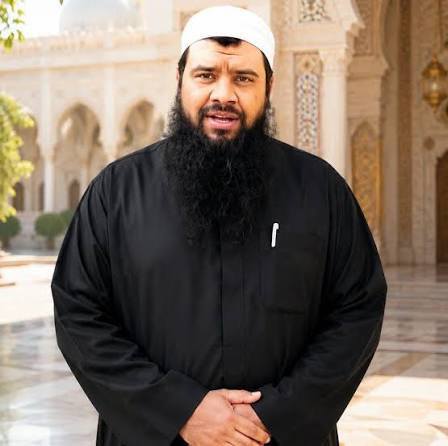
Sheikh Samir Mustafa သည် အီဂျစ်အစ္စလာမ်ဘာသာဟောပြောသူ Abu Abd al-Rahman Samir ibn Mustafa al-Suyuti ဖြစ်သည်။၁၉၇၆ ခုနှစ်တွင် Asyut အုပ်ချုပ်ရေးမှူးရုံး၌ မွေးဖွားခဲ့ပြီး ကာဟိုအုပ်ချုပ်ရေးမှူးရုံးရှိ Helwan မြို့တွင် ကြီးပြင်းလာပြီး ဘဝအများစုကို ကုန်ဆုံးခဲ့သည်။ဘာသာရေး လေ့လာမှု: သူငယ်စဉ်ကတည်းက ဘာသာရေးဆိုင်ရာ အသိပညာကို ရယူဖို့ ရည်စူးခဲ့ပြီး အီဂျစ်နိုင်ငံက ထိပ်တန်း ရှေးဟိန်းတွေနဲ့ ပညာရှင်များစွာရဲ့ လက်တွေအောက်မှာ သင်ယူခဲ့တယ်။သူ့အထင်ရှားဆုံးဆရာမများ: သူဟာ Sheikh Hasan Abu al-Ashbal al-Zuhayri, Sheikh Abu Ishaq al-Huwayni နှင့် Sheikh Muhammad Abd al-Maqsud တို့အောက်မှာသင်ကြားခဲ့ပြီး Sheikh Muhammad Hussein Yaqoub ၏ နီးစပ်ပြီး အမြဲတမ်းဖော်ကိုင်သူတစ်ဦးဖြစ်သည်။ဟောပြောခြင်းနှင့် ပညာရေးဆိုင်ရာ လှုပ်ရှားမှု ဟောပြောချက်များ နှင့်ဟောပြောချက်များ: လူငယ်များအား တိုက်ရိုက်ပြောဆိုသော စိတ်လှုပ်ရှားစရာ စကားပြောဟန်ဖြင့် နာမည်ကြီးလာခဲ့ပြီး ကာဟိုနှင့် ဂစ်ဇာတို့ရှိ ဗလီများတွင် ဟောပြောချက်များနှင့် သင်ခန်းစာ ရာချီပြီး ပေးခဲ့ပါသည်။ပညာရှင်စိတ်ဝင်စားမှု: သူ့ဟောပြောချက်မှာ သူအာရုံစိုက်တာက တရားဝင်ယုံကြည်မှုကို တည်ဆောက်ခြင်း၊ ပရောဖက်နဲ့ အစ္စလာမ်သမိုင်းရဲ့ ဘဝကို သင်ကြားခြင်းနဲ့ စိတ်ဝိညာဉ်ကို ပျိုးထောင်ခြင်းအပေါ်ပါ။အဓိကဇာတ်လမ်းတွဲများနှင့် စာရေးသားမှုများ: သူသည်အသိအမှတ်အများဆုံး မှတ်တမ်းတင်ထားသော ဇာတ်လမ်းတွဲများနှင့် သင်ခန်းစာများကိုထုတ်လုပ်ခဲ့သည်၊ အနက်တွင် "အစ္စလာမ်၏တိုက်ပွဲကြီးများ", "တိုသော ဆူရာများအပေါ် မှတ်ချက်" နှင့် "ပရောဖက်များ၏ ပုံပြင်များ" တို့ဖြစ်သည်။ထောင်ဒဏ်: ၂၀၁၇ ခုနှစ်တွင် အူမာရ ဓလေ့ထုံးတမ်းများ ကျင့်ရန် ခရီးထွက်နေစဉ် ဖမ်းဆီးခံရပြီးနောက် လူသိရှင်ကြား သွန်သင်မှုလုပ်ငန်းရပ်ဆိုင်းခဲ့ပြီး ထိုအချိန်မှစ၍ အကျဉ်းထောင်၌ ရှိနေခဲ့သည်။
ပံ့ပိုးရန်
နောက်တစ်ပုဒ်၏ ဘာသာပြန်စရိတ်ကို ကူညီပါ
Turjuman ကို ထုတ်ဝေသည့် ဘာသာစကားတိုင်းဖြင့် အခမဲ့ ဖတ်နိုင်ပြီး ကြော်ငြာလည်း မပါပါ။ ကုန်ကျစရိတ် ရှိသည့်အပိုင်းမှာ ဘာသာပြန်ခြင်း ဖြစ်သည်။ ဤစာသည် သင့်အချိန်နှင့် ထိုက်တန်ခဲ့ပါက နောက်တစ်ပုဒ်အတွက် တစ်စုံတစ်ရာ ပေးပို့နိုင်ပါသည်။

USDT · Tron (TRC20)
TCxC8zmmK9fqDy7B4FbeNs2hXJkfMQ6vjc
ဤနေရာတွင် ဖော်ပြထားသော ကွန်ရက်ပေါ်မှတစ်ဆင့် ဖော်ပြထားသော ဒင်္ဂါးကိုသာ ပေးပို့ပါ။ ကွန်ရက်မှား၍ ပေးပို့လိုက်သော ငွေလွှဲမှုကို မည်သူမျှ ပြန်လည်ရယူ၍ မရပါ။
ဆွေးနွေးချက်
ဤဆောင်းပါး၏ ဘာသာစကားတိုင်းအောက်တွင် စကားဝိုင်းတစ်ခုတည်း ရှိသည်။ မြန်မာ ဘာသာဖြင့် ဖတ်ခဲ့သူရော အခြားဘာသာစကားဖြင့် ဖတ်ခဲ့သူပါ အားလုံး ဤနေရာတွင် စကားပြောနေကြသည်။
ပါဝင်ရန် အကောင့်တစ်ခု လိုအပ်သည်။ အီးမေးလ်လိပ်စာတစ်ခုနှင့် စကားဝှက်တစ်ခုသာ လိုသည်၊ အခြားမလိုပါ။
မည်သူမျှ စကားမပြောရသေးပါ။ သင် ပထမဆုံး ဖြစ်နိုင်သည်။